What Does a Phlebotomy Technician Do?
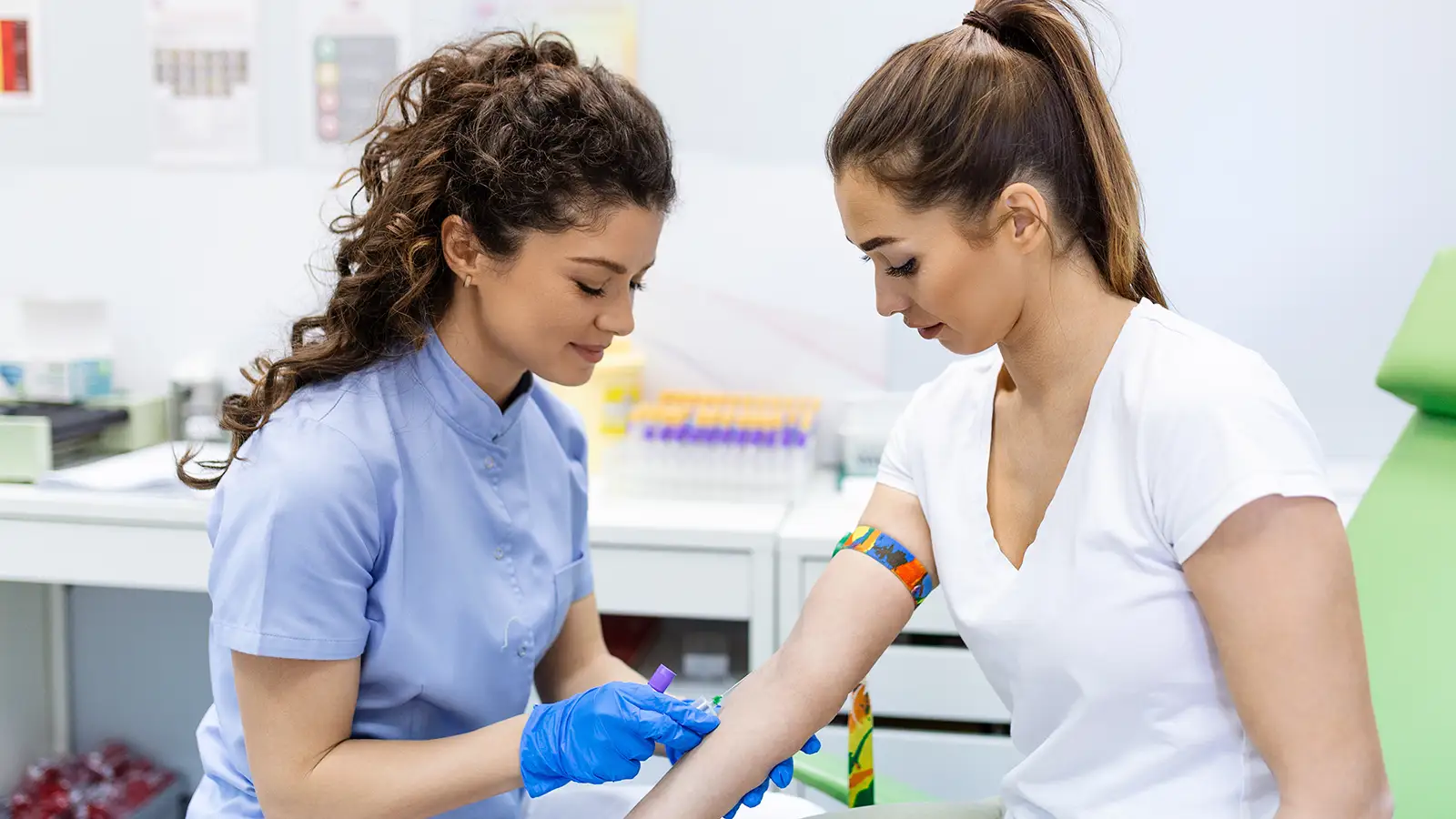
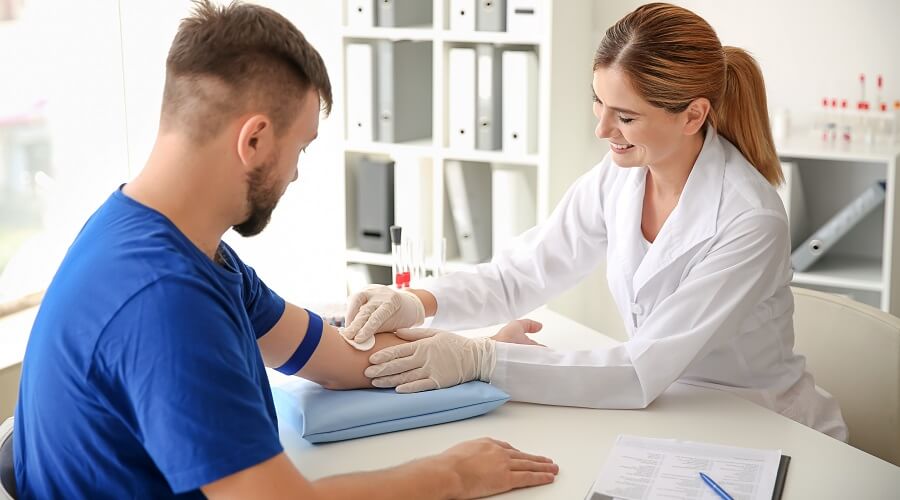
Phlebotomy technicians draw blood and collect specimens for medical testing in hospitals, clinics, laboratories, and blood donation centers. Their primary responsibility is performing venipuncture (drawing blood from veins) and capillary puncture (finger sticks), though they also handle specimen labeling, patient preparation, equipment sterilization, and infection control.
Where Phlebotomy Technicians Work
Phlebotomy technicians work in diverse healthcare settings. Graduates can work in a clinical laboratory, hospital, clinic, or physician’s office setting. Additional employment settings include:
- Clinical diagnostic laboratories
- Blood donation centers and blood banks
- Physician offices and medical clinics
- Mobile blood collection services
Each setting has different pacing and requirements. Laboratory phlebotomists may handle higher volumes with more specialized testing requirements.
Blood Collection: Primary Responsibility
Blood collection is the most widely recognized duty of phlebotomy technicians. Collecting blood is your primary focus and number one duty. You’ll be responsible for accurately finding the patient’s vein and inserting the needle into it. Mastering venipuncture requires practice. U.S. Colleges students practice on training arms before progressing to supervised draws on actual patients during their 40-hour clinical externship.
While blood draws are usually primary, phlebotomy technicians may need to collect other samples if indicated on the doctor’s order. For example, you may be required to collect plasma, urine, or other bodily fluids.
Equipment Preparation and Sterilization
Before you can even think about drawing blood or collecting bodily fluids, you must first make sure that your workstation is set up and you are properly prepared. All equipment must be accessible, sterile, and ready to use. Having all equipment ready before beginning the blood draw prevents delays and reduces patient discomfort during the procedure. Proper preparation protects both patient safety and professional standards.
Essential equipment includes tourniquets, sterile needles, color-coded collection tubes (each color indicates different additives for specific tests), alcohol prep pads, gauze, bandages, and sharps disposal containers. All equipment must comply with OSHA’s Bloodborne Pathogens Standard (29 CFR 1910.1030), which requires specific safety protocols for handling blood and preventing needlestick injuries.
You also need to make sure that you sterilize everything. You can never be too clean. Remember, sterilization is for your safety and the safety of your patient. You’ll want to always open the needle packets in front of your patient so they know it is sterile.
Patient Preparation and Communication
Just as you prepare your work station, you will prepare your patient as well. You will need to let the patient know what steps you are taking and explain it to them the entire time. You should also distract the patient or have a conversation with them to take their mind off the blood draw.
Patient anxiety during blood draws is common, particularly among children and adolescents. Studies show that approximately 27% of adolescents experience severe fear of blood draws. Effective phlebotomists use distraction techniques, clear communication, and reassurance to help anxious patients feel more comfortable. You’ll verify patient identity using at least two identifiers (typically name and date of birth), explain the procedure, position their arm properly, and apply the tourniquet 3-4 inches above the puncture site.
Sometimes, you may have pediatric patients who need a little more assistance, so be prepared for this too.
Other Essential Phlebotomy Technician Duties
Those are not your only job duties as a phlebotomist either. In fact, you will find yourself tasked with multiple things to do in the clinic or setting you work in. Below, you will find some of the additional job duties that many phlebotomists share:
- Patient identification using two unique identifiers (name and date of birth) and intake procedures
- Labeling vials with the patient’s information
- Transporting specimens that have been collected
- Centrifuging blood samples at specific speeds and durations based on test requirements
- Practicing infection control following OSHA Bloodborne Pathogen Standard protocols
- Cleaning up the clinic or site setting
Train to Become a Phlebotomist Today at U.S. Colleges
Training to become a phlebotomist is a great choice when you get your education at U.S. Colleges. Throughout the program, you will learn industry-needed skills such as skin punctures and venipunctures. Our instructors provide you with the attention you need and deserve throughout your education.
Our goal is to see you succeed and help you jump into a new career quickly when you choose U.S. Colleges.
Ready to start your phlebotomy career? Our program includes hands-on lab practice and a mandatory 40-hour clinical externship. Contact us today to learn more about enrollment at any of our six Southern California campuses.
Want to learn more about our Phlebotomy Training Program? Call us today!